

The Importance of Variety in Your Diet: How to Avoid Falling into a Food Rut
by

AteMate
Published on
•
3
minute read
Key Takeaways
Include foods from all major food groups to ensure your body receives essential vitamins and minerals that no single food can provide.
Experiment with seasonal produce and new cooking methods to naturally add variety while maximizing flavor and nutrients.
Plan meals in advance to avoid defaulting to repetitive dishes and create opportunities for diverse food choices.
Focus on whole grains, lean proteins, and healthy fats rather than processed foods to maintain nutrient density.
Try new recipes and seasonings to transform familiar ingredients into exciting meals.
It's easy to stick to our go-to meals -- those reliable dishes we can whip up in a hurry. However, relying on the same meals day after day can lead to boredom, nutrient deficiencies, and missed health benefits. Incorporating a variety of foods into your diet is not just about keeping your meals exciting, but also essential for optimal health.
Why is Variety in Your Diet Important?
A varied diet ensures you receive the full range of nutrients your body needs for good health.
Relying on single foods or repetitive meals can leave you lacking important vitamins and minerals and no single food can provide all the essential nutrients your body needs. Eating a variety of foods across all food groups, including whole grains, lean meats, leafy greens, and fresh fruits, helps ensure that your body gets everything it needs to function properly.
Also, consuming a variety of foods from different food groups helps reduce your risk of nutrient deficiencies, promotes a healthy body weight, and enhances your overall well-being.
How Can You Ensure Variety in Your Diet?
The best way to ensure variety in your diet is by incorporating foods from all the core food groups -- vegetables, fruits, grains, proteins, and dairy or dairy alternatives. Experimenting with new foods, swapping out ingredients (or also different seasonings), and using diverse cooking methods can also keep your meals exciting and balanced.
The Benefits of a Varied Diet
1. Prevents Nutrient Deficiencies
Each type of food contains different nutrients that play distinct roles in maintaining your health. For example, sweet potatoes are rich in vitamin C and healthy fats like monounsaturated fats can be found in avocados. Adding plant foods, whole foods, and dairy alternatives can help you cover your nutritional bases.
2. Supports Your Immune System
A diverse diet with a greater variety of fruits, vegetables, and proteins strengthens your immune system. This can lower your risk of chronic illnesses like heart disease and metabolic syndrome.
3. Improves Overall Health
Studies have shown that those who eat a variety of foods from all food groups are more likely to maintain a healthy weight and have better health outcomes. Increased dietary diversity has been linked to a lower risk of disease such as cardiovascular disease, diabetes, and blood pressure issues.
How to Break Out of a Food Rut
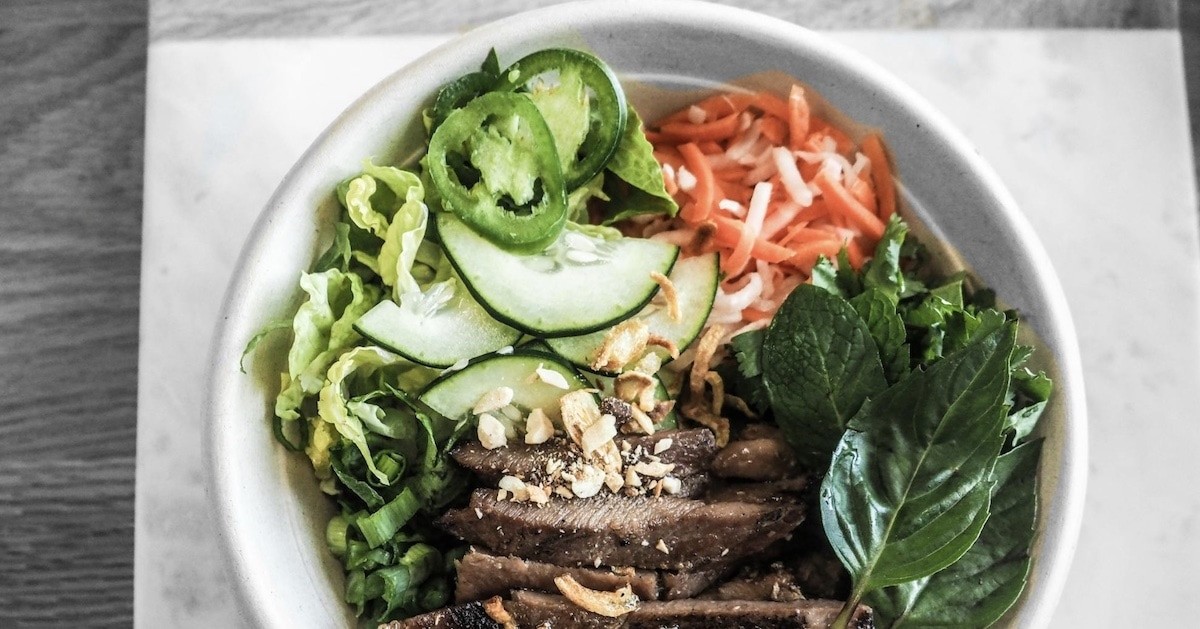
Exploring new flavors and ingredients is a great way to make every meal an adventure.
It's easy to get stuck in a routine of repetitive meals. The good news is that with a few simple changes, you can inject food variety back into your routine without much effort. Here are some practical tips:
1. Experiment with New Recipes
Don't be afraid to try new recipes or cooking methods. Browse recipe blogs or take inspiration from friends and family. Even adding a new spice to an old favorite can make it feel fresh again.
2. Explore Different Food Groups
When grocery shopping, aim to select foods from the major food groups. Adding starchy vegetables, like sweet potatoes, or lean meats such as chicken or turkey, can help ensure you are meeting your nutritional needs.
3. Use Seasonal Ingredients
Incorporate seasonal produce for fresher, more flavorful meals. This will naturally bring variety to your diet while offering the best possible taste.
4. Plan Your Meals
Planning meals in advance -- not necessarily every bite that you'll be consuming, but more so planning and having a rough idea of meals for the week can prevent falling back on the same dishes.
Incorporating meal planning into your routine allows you to think ahead, be more mindful about your grocery trips, because if you're not buying those diversified foods, you wont be eating or making diversified choices. Planning ahead will allow you to actually diversify your food choices.
5. Focus on Whole Foods
Opt for whole grains, lean proteins, and healthy fats to keep your diet nutrient-rich. Avoid heavily processed or unhealthy foods that offer less variety and fewer essential nutrients.
How AteMate Helps You Add Variety to Your Diet
AteMate shows an 'Eat the Rainbow' analysis, Macronutrient Estimates, and encourages an overall variety in your diet.
If you struggle with creativity in the kitchen, AteMate can help. When it shows the analysis of how colorful your meals are through graphs, it encourages you to want to check off more colors. How colorful can you actually make that plate of food? It also provides macronutrient estimates for proteins, carbs, fats, fiber, and sugar -- to get a better idea of the breakdown of the food on your plate. Plus, it offers notes to encourage variety in your food choices and better alternatives when possible.
Final Thoughts: Embrace Variety for Better Health
Incorporating a variety of foods into your diet isn't just a great way to avoid meal fatigue -- it's essential for maintaining good health. By adding different types of food into your daily routine, you can boost your intake of essential vitamins, support your immune system, and improve your overall health.
So, next time you're at the grocery store, consider picking up a new ingredient to start diversifying your meals. With the help of AteMate to keep you on track and help you stay encouraged, you'll find that maintaining a varied diet is not only simple but rewarding.
Try AteMate today to journal your daily experiences and stay mindful, no matter where life takes you.
---
For additional insights and tools to enhance your health journey, explore the AteMate blog or discover more within the AteMate app. Join us as we navigate towards sustainable wellness together with AteMate by your side.
Last updated: January 14, 2026
More posts from this Author
AteMate

How Mindful Eating Can Help You Achieve Your Health Goals Without Counting Macros
Mindful eating helps you tune into your body's hunger and fullness cues naturally. You can build a healthier relationship with food.
Sep 11, 2024
4
minute read
AteMate

Adding Colorful Foods to Your Diet is Key to Healthy Eating
Vibrant fruits and vegetables naturally provide the nutrients your body craves while making meals more satisfying. Colorful eating becomes a gentle way to nourish yourself.
Sep 10, 2024
4
minute read
AteMate
Building a Balanced Plate: The Key to Long-Term Health
Balanced plates combine proteins, complex carbs, healthy fats, and colorful produce for sustained energy. You'll feel more nourished.
Sep 5, 2024
4
minute read
Similar Posts from our Blog

Amy Bondar

Restore Before More
When fatigue hits, we often reach for food instead of giving ourselves the rest we actually need. Honoring your body's call for restoration can naturally regulate your eating patterns.
Apr 5, 2022
3
minute read

Stacy Yates

Nutrition Beyond Diets: A Health Coach's Guide to Optimal Eating Habits
Health coaching offers a gentler path to better eating habits than restrictive diets. You can build lasting change that honors your body.
Sep 3, 2024
3
minute read

Dr. Erin Nitschke

Top 10 Nutrition Myths Debunked
Common nutrition myths create unnecessary stress around eating choices. Understanding the facts helps you make decisions that truly support your wellbeing.
Aug 26, 2024
3
minute read