

Eating From Smaller Plates
Take on a mindful experiment to see if you can focus more on what you eat
by

Esther
Published on
•
4
minute read
Key Takeaways
Using smaller plates and bowls creates an optical illusion that makes portions appear larger, helping you feel more satisfied with less food.
The average dinner plate size has increased by 36% over the past 60 years, with US plates measuring 13 inches compared to Europe's 9 inches.
You can experiment with smaller plates gradually by starting with one meal per day and reflecting on your hunger and satisfaction levels.
The Delboeuf Illusion explains why the same amount of food looks like a smaller portion on a large plate versus a larger portion on a small plate.
You can take this practice beyond home by asking restaurant servers for smaller plates, since restaurants typically use even larger plate sizes.
Could you make every meal of yours fit onto a smaller plate? Would you be just as satisfied? What about having the nerve to ask the waiter to serve you on a smaller plate?
Smaller plates and bowls help to trick your mind -- and who doesn't want that?
How does it work?
Seeing a cookie on a big plate will make it seem like it is a small portion as opposed to seeing the same size cookie on a small plate will make it look as if it is a larger portion.
This is an optical illusion known as the Delboeuf Illusion. Optical illusions trick our brain especially when it comes to food on plates as we think things are smaller when placed on bigger plates, and food on small plates seems bigger.
Did you know…
Over the past 60 years, the average dinner plate size has increased by 36%!
In the US the average dinner plate measures 13 inches in diameter whereas in Europe the average size measures 9 inches!
How should you try this challenge?
1. Implement a smaller plate or bowl for one of your meals throughout the day. Do you find yourself feeling fuller sooner? Would you have added more food to your plate if it was bigger?
_Did you go back for seconds? _2. Try using a smaller plate or bowl for a different meal?
Did it make a difference? Was eating your breakfast from a smaller plate still satisfying?
_What about that bowl of oats? _3. Reflect & evaluate how this change made you feel
Did you find yourself hungrier?
_Were the smaller portions the right amount of food? _4. Take it to the next level. When you go out to eat ask your waiter or waitress to bring your food on a smaller plate.
_They may not be able to cater to your needs, but you can express the challenge you are participating in. Especially since restaurants on average use even larger sized plates! _
*
> Ready to give this experiment a go? What worked or didn't work for you? Share your results with us!
> OR tag us on Instagram with #myAteExperiment or #AteExperimentSmallerPlates
More posts from this Author
Esther
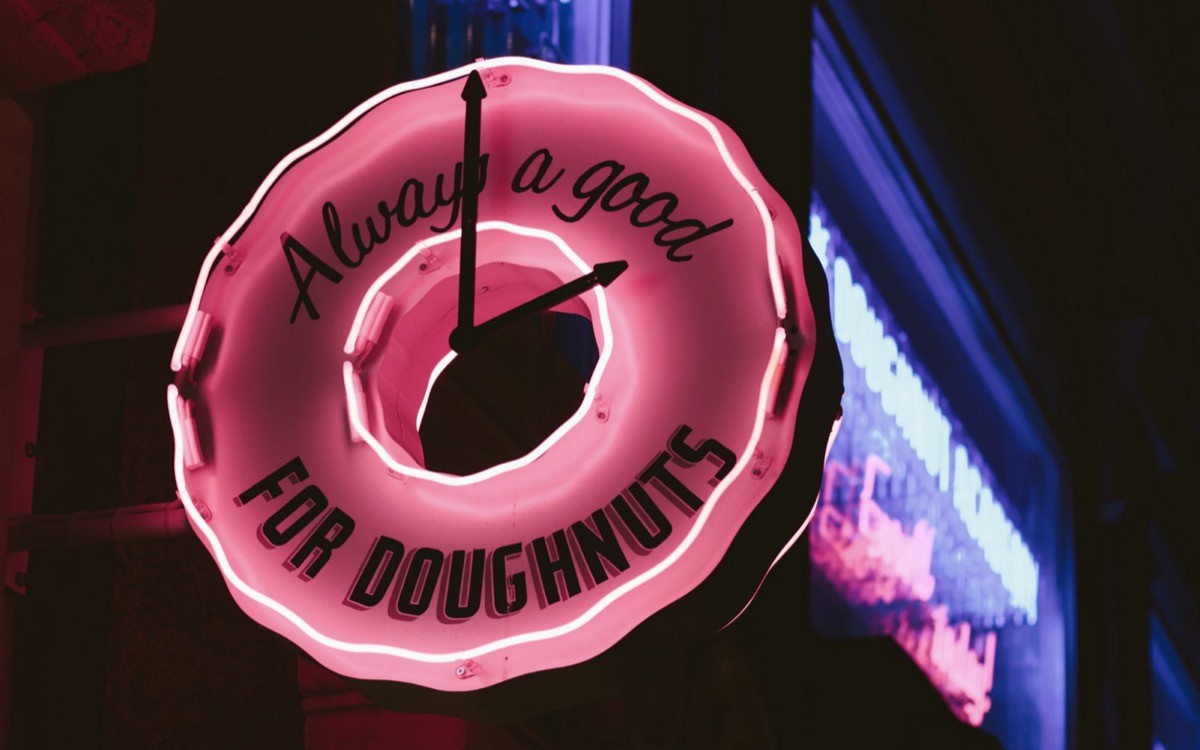
Mental Growth
Mental growth around food often happens in small moments that reveal how far you've come. Sometimes a donut can show you just how much has changed.
Jul 2, 2019
5
minute read
Esther

Cooking at Home vs. Eating Out
Cooking at home brings creative satisfaction and control, but the cleanup and meal planning challenges are real too.
Apr 22, 2019
5
minute read
Esther

Calories. Eat, Not Drink.
Liquid calories from drinks throughout the day can quietly add up without satisfying hunger. Understanding this helps you make choices that nourish.
Apr 19, 2019
6
minute read
Similar Posts from our Blog
Livia
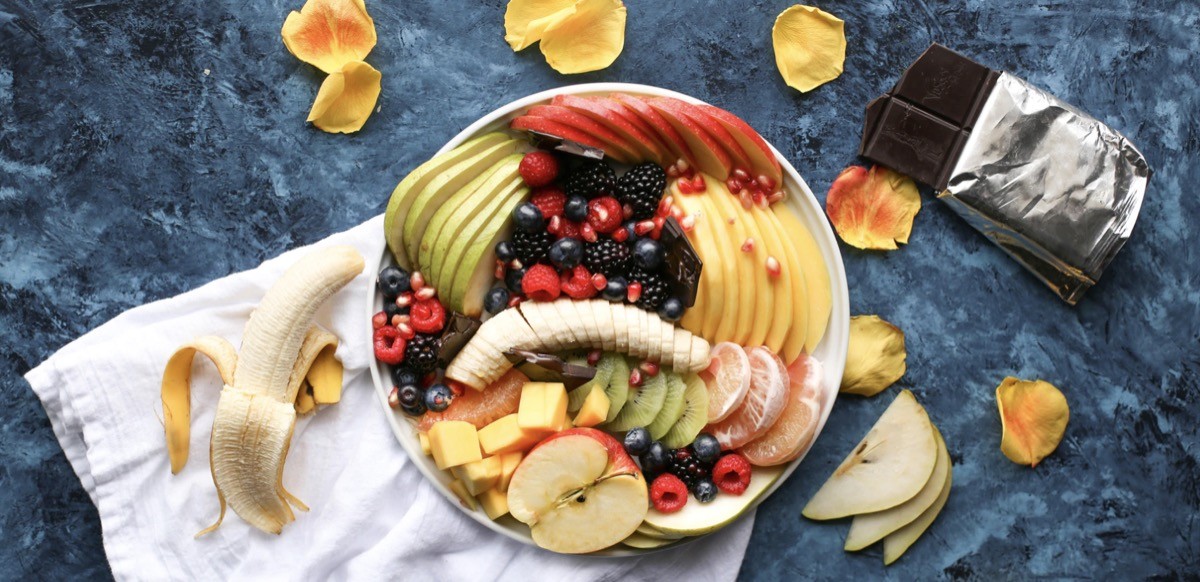
The Weight You Really Need To Lose
The real weight to lose isn't on your body, but the heavy beliefs and thoughts you carry daily. Letting go opens space for peace.
Oct 29, 2019
4
minute read
Sam
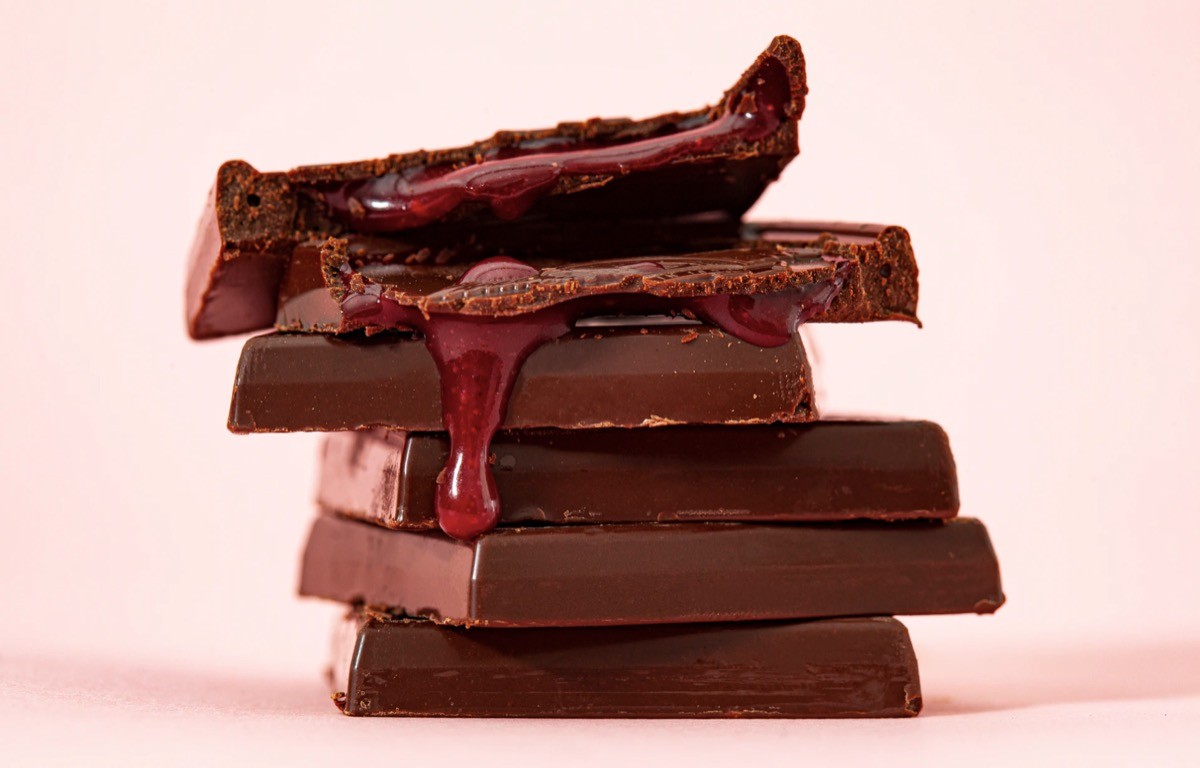
How to Eat to Beat Sugar Cravings & Balance Your Hormones
Steady meals with protein, fat, and mindful timing can naturally reduce sugar cravings and support hormone balance. Your body feels safer and calmer.
Oct 22, 2019
3
minute read
Livia
Do This Before Attacking the Fridge
Five gentle practices help you pause and connect with your emotions before turning to food for comfort. You can break the cycle while honoring your feelings.
Oct 15, 2019
4
minute read