
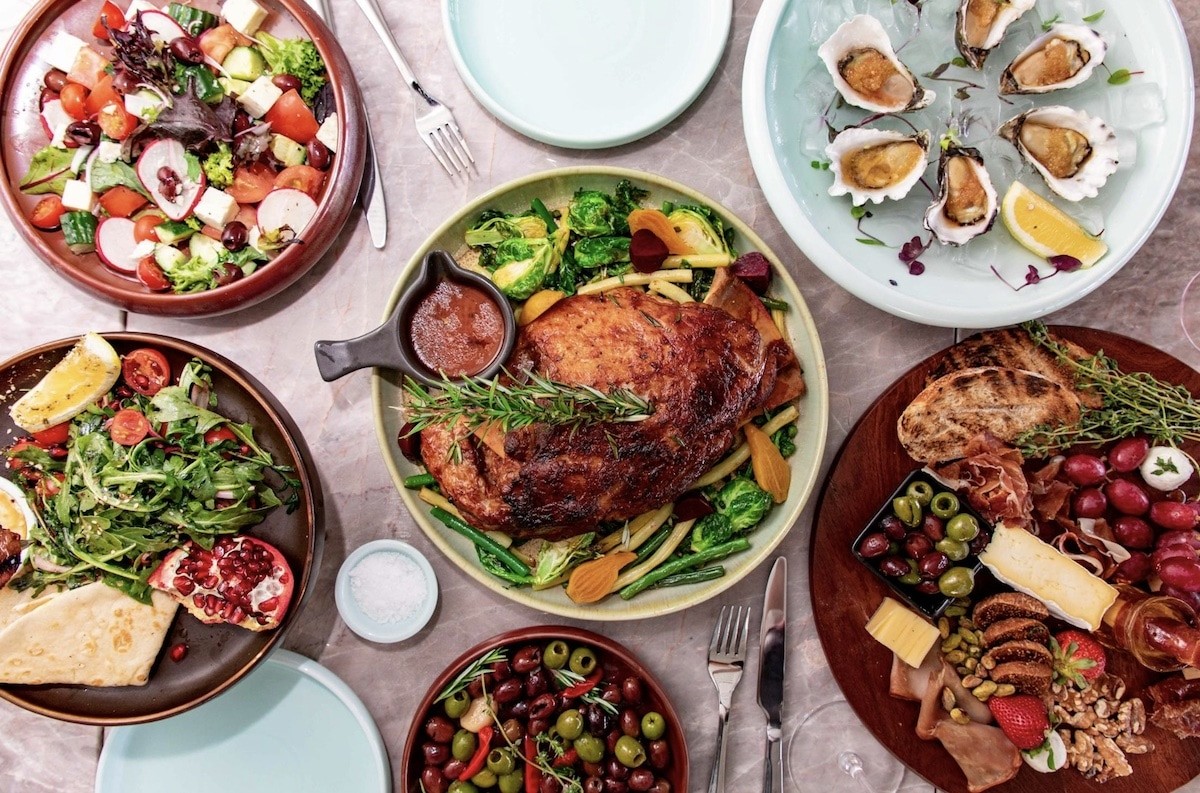
Heritage Foods: Embracing Cultural Culinary Traditions for Health
by

Leena Abed
Published on
•
3
minute read
Key Takeaways
Traditional dishes from your cultural heritage often contain whole, unprocessed ingredients that provide unique nutritional benefits and natural balance of macronutrients.
You can embrace your cultural food traditions while maintaining health goals, rather than abandoning flavorful heritage foods for bland, restrictive meals.
Fermented foods like kimchi and labneh found in many cultural cuisines provide probiotics that support gut health and immune function.
Spices commonly used in traditional cooking, such as turmeric and cumin, offer anti-inflammatory and digestive benefits beyond just flavor.
Heritage foods evolved to meet the nutritional needs of their populations, making them naturally nourishing choices that connect you to your roots.
As an Arab American, food has always been central to my life. Growing up, my family gatherings were filled with vibrant dishes -- okra and tender lamb over rice, Jute stew, perfectly spiced lentil soups, and my favorite, creamy labneh, or fermented yogurt. Yet, for many years, I pushed my cultural foods aside in favor of "diet-friendly" meals I thought were healthier. I believed that the only way to reach my health goals was to measure every calorie and stick to bland, easy-to-track, dishes that felt anything but satisfying.
Over time, I realized that this approach wasn't sustainable. It left me feeling disconnected from my roots and deprived of the flavors and traditions that once brought me joy. More importantly, I discovered that my Middle Eastern cuisine isn't just delicious -- it's filled with unique nutritional benefits that support overall health and satisfaction.
Every culture has evolved dishes based on the local ingredients, climate, and the health needs of its people. Traditional recipes often use whole, unprocessed ingredients, coupled with preparation techniques that enhance both flavor and nutrition. These meals reflect a balance of macronutrients, nutrient-dense ingredients, and even gut-friendly practices like fermentation. Exploring these dishes offers a chance to nourish our bodies while celebrating cultural diversity. I learn best from real life examples, so let's dive into a few examples from around the world:
1. Mediterranean Diet
Example Dish: Lentil Soup (Shorbat Adas)
Lentil soup is a staple in Middle Eastern households (mine included!), and for good reason. Made with red lentils, onions, garlic, and cumin, it's both comforting and nutrient-dense.
Nutritional Benefits
Lentils are a fantastic source of plant-based protein, fiber, and iron. They help stabilize blood sugar levels and keep you feeling full for hours. The cumin adds anti-inflammatory properties and aids digestion.
2. East Asian Cuisine: Balanced and Gut-Friendly
Example Dish: Korean Kimchi Fried Rice (Kimchi Bokkeumbap)
Kimchi, a fermented cabbage, is a probiotic-rich ingredient that supports gut health. Paired with whole-grain rice and vegetables, it creates a nourishing, flavorful meal.
Health Benefit
Probiotics in fermented foods boost digestion and immune health, while the nutrient diversity promotes overall wellness.
3. South Asian Flavors: Spices for Health
Example Dish: Turmeric Chickpea Curry
This comforting dish combines turmeric, coconut milk, chickpeas, and vegetables for an anti-inflammatory, fiber-rich meal. Turmeric's active compound, curcumin, is a powerful antioxidant that helps combat inflammation.
Health Benefit
South Asian spices are known to aid digestion, reduce inflammation, and enhance immunity.
4. Latin American Cuisine: Wholesome and Energizing
Example Dish: Black Bean and Sweet Potato Enchiladas
Black beans are packed with protein, fiber, and iron, while sweet potatoes provide beta-carotene and potassium. This dish offers a filling, plant-based option with vibrant flavors.
Health Benefit
The combination of complex carbohydrates and plant-based proteins supports sustained energy and balanced blood sugar levels.
5. African Heritage Foods: Rooted in Nutrient Density
Example Dish: Ethiopian Lentil Stew (Misir Wot)
Made with lentils, garlic, and berbere spice blend, this dish is nutrient-dense and warming. The berbere spices add layers of flavor while providing antioxidants and anti-inflammatory compounds.
Health Benefit
These dishes are often rich in fiber, plant-based proteins, and phytonutrients that support cardiovascular and metabolic health.
Savoring heritage foods is more than a culinary adventure -- it's a journey to health. By incorporating traditional recipes into your routine, you're not only enjoying new flavors but also benefiting from the nutritional wisdom passed down through generations.
Tips for Exploring Heritage Foods
1. Start Small: Try incorporating one new cultural dish each week to expand your palate. 2. Use Whole Ingredients: Embrace fresh, unprocessed ingredients to honor the authenticity of the dish. 3. Learn the History: Understanding the origins of a dish deepens your appreciation and connection to it.
By embracing cultural culinary traditions, we can nourish our bodies, broaden our perspectives, and celebrate the rich diversity that food brings to our lives. So, let's honor our heritage and others' by enjoying the delicious, health-promoting power of traditional dishes!
Try AteMate today to journal your cultural culinary traditions! *
With my clients, I focus on shifting habits without restricting or counting calories to achieve sustainable weight loss or weight maintenance. We use practical nutrition so we can live life and feel our best! If you're ready to dive deep into your habits and feel confident about your choices surrounding food again, book a free consultation with me here!
More posts from this Author
Leena Abed

Digital Wellness: Managing Screen Time for a Balanced Life
Screen time can pull us away from our body's hunger and fullness cues, leading to mindless eating patterns. Creating boundaries helps you reconnect.
Aug 21, 2024
3
minute read
Leena Abed

Understanding How to Read Nutrition Labels
Nutrition labels reveal what foods are really made of and how they might nourish you. Understanding them helps you choose foods that feel right.
May 28, 2024
3
minute read
Leena Abed
Meet Leena Abed - Your AteMate Coach
Building healthy habits doesn't require restriction or counting calories when you have the right guidance. You can feel confident in your choices and comfortable in your body.
Mar 19, 2024
3
minute read
Similar Posts from our Blog

AteMate

10 Tips for Mindful Eating During the Holidays
Ten simple strategies help you stay present with food during holiday gatherings. You can savor festive meals while feeling calm and connected.
Nov 18, 2024
3
minute read
AteMate

Movement for Feeling Good, Not Burning Calories
Movement on Thanksgiving can be about joy and connection rather than earning your meal. You'll feel more present and energized.
Nov 17, 2024
3
minute read
AteMate
Friends, Family, and the Plan for Thanksgiving Dinner
Navigate holiday meals with confidence by handling food comments and diet talk gracefully. You can enjoy Thanksgiving fully while honoring both your wellness and joy.
Nov 16, 2024
3
minute read