

Key Takeaways
Fall cravings for carbs and sweets stem from dropping serotonin levels caused by reduced sunlight, not lack of willpower.
You can naturally boost serotonin by eating protein-rich foods like turkey and chicken, which contain tryptophan.
Shifting to warming, seasonal foods like soups and roasted vegetables can satisfy comfort food cravings in a more nourishing way.
Pairing comfort foods with protein helps stabilize blood sugar and supports healthy serotonin production.
Tracking how different foods make you feel physically and emotionally helps you identify patterns and make conscious choices.
Why We Crave Comfort Foods in Fall
As the days grow shorter and darker, many people notice their cravings for sugar, bread, pasta, wine, or baked treats begin to rise. This isn't just a matter of willpower--it's rooted in brain chemistry. Shorter days mean less sunlight, which can lower serotonin levels. Serotonin, often called our "happy hormone," helps bring a sense of calm, steadiness, and inner light.
When serotonin drops in fall and winter, the body often looks for quick fixes--carbs and sweets--that provide a temporary mood boost. This is why fall comfort foods feel so appealing: warm pies, hearty breads, creamy pastas, or an evening glass of wine. The challenge is that these foods spike blood sugar, affect weight, and contribute to other symptoms. And because the mood boost is fleeting, cravings often return even stronger, making it harder to stay aligned with health goals.
The Physiology of Fall Cravings
Julia Ross, in The Craving Cure, calls this pattern "depressed cravers." We crave starches, sweets, or alcohol to naturally boost serotonin, but over time this cycle can lead to mood swings, fatigue, insomnia, hormone imbalances, and weight changes.
Fortunately, our bodies have built-in ways to restore serotonin naturally. Serotonin is made from tryptophan, an amino acid found in protein-rich foods like turkey (think Thanksgiving!), chicken, grass-fed beef, game meats, and even organ meats. But the conversion process also requires nutrient cofactors--vitamins and minerals that help convert tryptophan into serotonin effectively. Without them, cravings intensify, and mood dips become more common.
Seasonal Shifts: Choosing Foods That Truly Nourish
Sometimes, cravings feel out of control simply because our diet hasn't shifted with the season. If you're still eating light summer fare--salads, raw vegetables, smoothies--you may be craving the "wrong" foods because your body is asking for more grounding, warming nourishment.
Fall is a time to transition to:
Hearty soups and stews
Roasted root vegetables
Curries and slow-cooked meals
Oatmeal and stewed fruits
By aligning your meals with the season, you give your body the comfort it's seeking in a way that is balancing and stabilizing. This often reduces the pull toward sugar, bread, and processed carbs that can negatively impact health.
How to Enjoy Fall Comfort Foods Mindfully
The good news is you don't need to avoid your favorite fall foods to stay healthy. In fact, restricting too much can backfire and make cravings even stronger. Instead, intuitive eating and mindful nourishment provide a way to enjoy the cozy flavors of fall without guilt or sabotage.
Pair comfort foods with protein. If you're craving pasta, add ground turkey or grass-fed beef to stabilize blood sugar and support serotonin production.
Notice your body's signals. Ask yourself: am I eating because I'm hungry, or because I want emotional comfort? Both are okay--but awareness helps you make a conscious choice.
Savor the experience. When enjoying a seasonal favorite like pumpkin pie or apple crisp, slow down. Engage all your senses and allow satisfaction to come from more than just the taste.
Create nourishing versions. Swap refined sugar for natural sweeteners, add warming spices like cinnamon and nutmeg, and use whole-food ingredients to keep fall recipes supportive of your health.
Tracking How Foods Make You Feel
One helpful way to build awareness around fall comfort foods is by using the AteMate Food Journalingapp. Instead of focusing on calories or restriction, this tool helps you track not only what you eat, but also how it makes you feel--physically and emotionally.
By reflecting on your energy, mood, digestion, and cravings after meals, you can begin to see patterns. For example, you might notice that a hearty bowl of stew leaves you feeling grounded and satisfied, while pastries leave you tired and craving more sugar. This kind of gentle tracking encourages mindful choices and makes it easier to align comfort with health.
Finding Flexibility Without Guilt
Intuitive eating isn't about perfection; it's about balance and self-trust. By understanding the science behind your cravings, shifting into seasonal foods, and choosing nourishing meals that also feel comforting, you can align with your body's needs rather than fight against them.
This fall, give yourself permission to enjoy the cozy meals that bring warmth and tradition, while also supporting your serotonin naturally with protein, nutrient-rich foods, seasonal foods, and mindful eating practices. Comfort and health can truly coexist.
More posts from this Author

Amy Bondar

Fall into Balance: How to Adjust Your Nutrition for Seasonal Change
Seasonal nutrition shifts can help stabilize your energy as temperatures cool. You'll feel more grounded when you honor your body's changing needs.
Oct 3, 2025
4
minute read
Amy Bondar

Get to Know Your AteMate Coach -Amy Bondar
Meet Amy Bondar, who helps women transform their relationship with food beyond dieting cycles. Her approach nurtures lasting change.
Mar 10, 2025
3
minute read
Amy Bondar

Savor the Flavor: How Mindful Eating Can Make Every Meal More Enjoyable
Slowing down to truly taste your food transforms eating from routine to ritual. You'll rediscover joy in every bite while nurturing peace.
Feb 10, 2025
3
minute read
Similar Posts from our Blog

AteMate

AteMate: The End of Diet Culture Guilt.
Health journaling built for real life patterns, not perfect tracking or rigid rules. You gain insight without judgment.
Sep 30, 2025
2
minute read

Stacy Yates
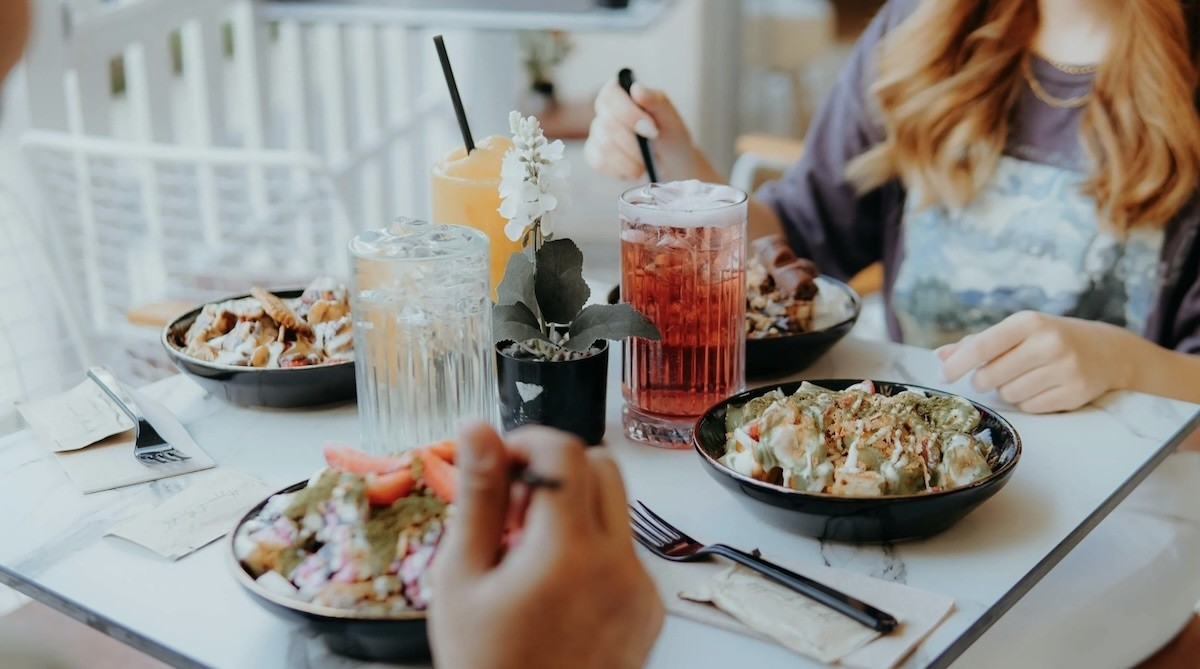
How to Navigate Food Choices in Social Settings (Without Feeling Like the Weird One)
Social eating brings unique pressures that have nothing to do with hunger or what your body actually wants. You can honor both your wellbeing and your relationships.
May 12, 2025
3
minute read

Leena Abed
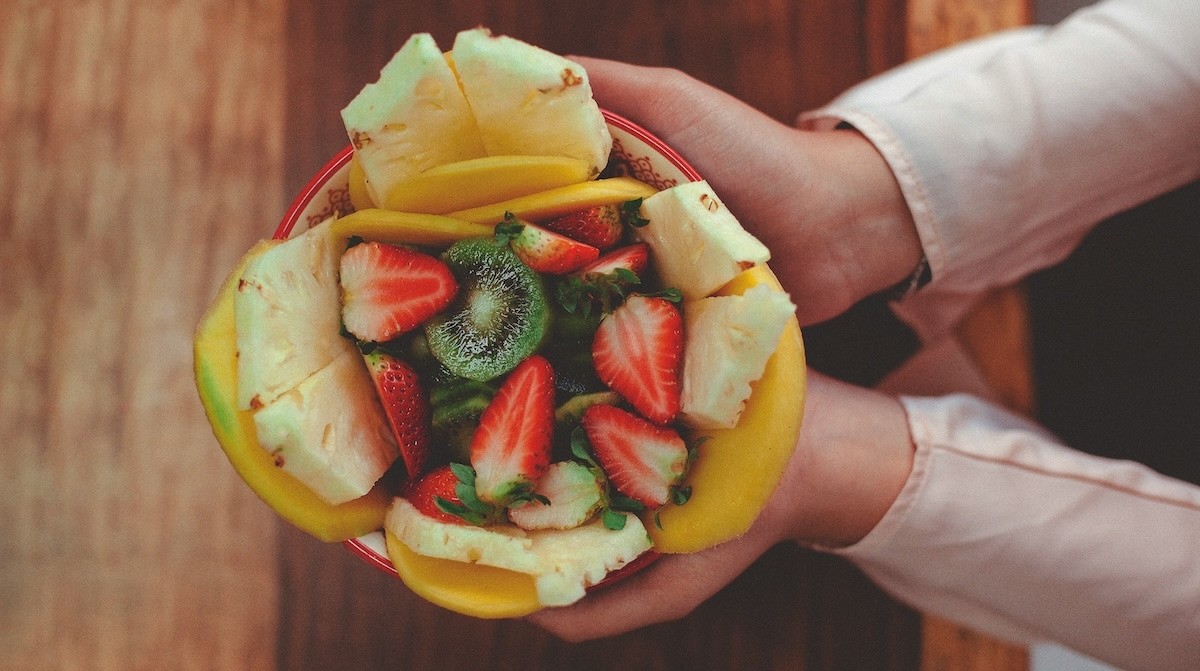
Intuitive Eating vs. Dieting: What's Best for YOU?
Your relationship with food doesn't have to be all-or-nothing between strict dieting and complete freedom. You can find peace in the middle.
May 12, 2025
3
minute read