
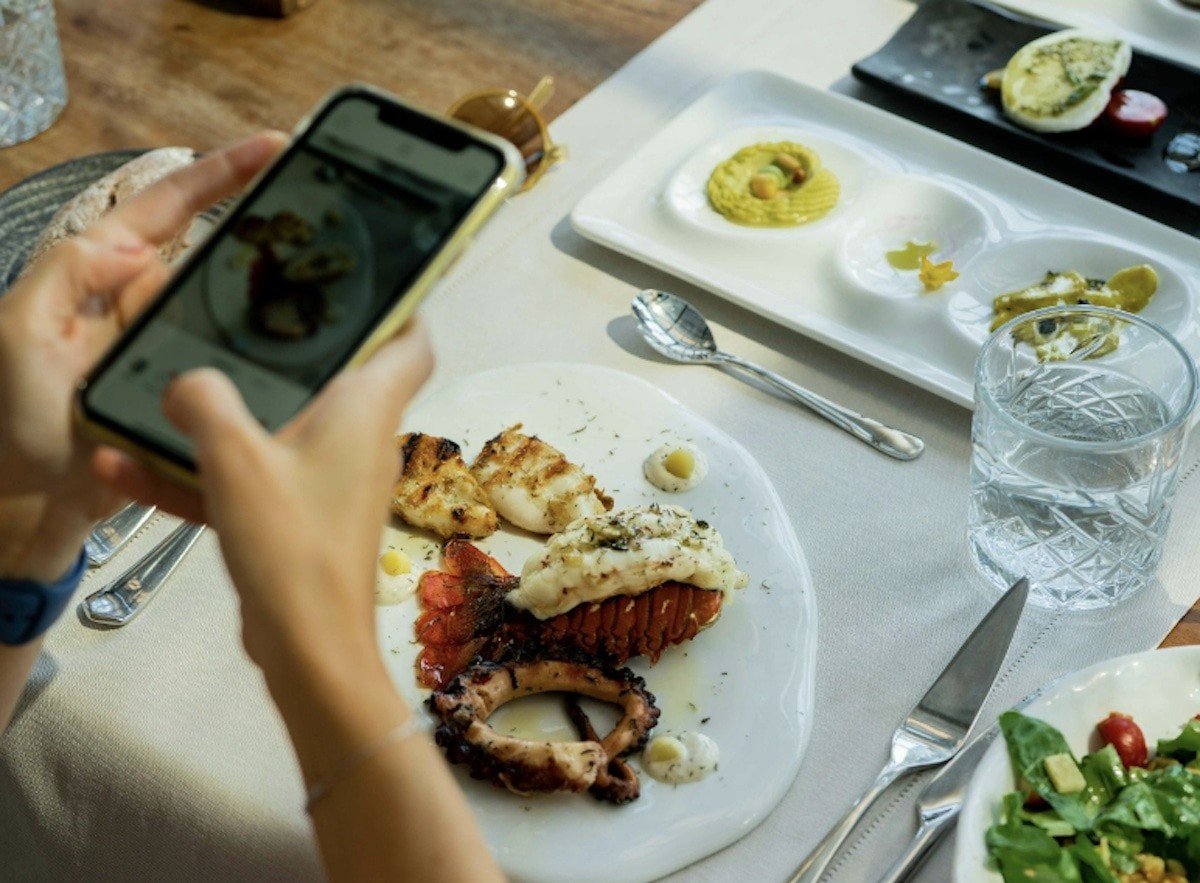
The Influence of Food Journaling on Weight Loss/Gain/Maintenance
by

Stacy Yates
Published on
•
3
minute read
Key Takeaways
Food journaling creates self-awareness by revealing not just what you eat, but how much, when, where, and why you make food choices.
The act of journaling creates a helpful pause before eating, interrupting the automatic rush between daily tasks.
Tracking your moods alongside food choices helps identify emotional triggers that influence your eating patterns.
Choose a journaling method that feels sustainable and supportive rather than obsessive or overwhelming.
Approach food journaling with genuine curiosity like a scientist collecting data, not judgment about your choices.
When we desire to make changes to our nutrition, it's interesting how many of us skip a very important step: identification of our current habits, patterns, and behaviors.
One of the best ways of exploring our current habits, patterns, and behaviors (i.e. cultivating self-awareness) when it comes to nutrition, is through journaling: everything that we eat and drink, and our moods associated with all our choices.
> Journaling also happens to be one of the most accessible and underappreciated tools we have at our disposal.
There are so many ways to do it…there are amazing apps to use (like the AteMate app), there's the notes section in your phone, or you could go analog with a simple pen and paper! Research demonstrates that people who keep a detailed food journal are more likely to achieve their weight management goals -- whatever they may be (loss, maintenance, or gain).
When we journal, we discover not only what we are eating, but how much of it we are eating, how we are eating, why we are eating it, where we are eating, and who we are as the "eater" of the meal. The moods associated with our food choices also help to understand how certain emotional states draw us to our choices. Once we are aware, we can make changes.
Not all of us have great experiences with journaling though. My own first experience of food journaling with My Fitness Pal wasn't the best. I found it very cumbersome to look up and record everything. It exacerbated my already disordered obsession with calories and a hyper-fixation of food. I think that a lot of other people have had a similar experience with apps like that. So if you do journal, it's important that you find a system that works for you.
It's equally important that you journal from a place of genuine curiosity. Think of yourself as a scientist, seeking out interesting patterns and trying to make sense of the data.
Creating a Pause:
Food journaling not only gives us important data points, it also helps us to create a much-needed pause before we're about to eat. Pausing or slowing down between tasks during the day isn't something we do too often. We're in a "race" from the moment our feet hit the floor until we close our eyes at bedtime, flowing from one activity into the next.
Unfortunately, eating becomes just one of those "tasks" that slips into the busyness of our day and is often paired with other activities. We eat while we are in front of our desks working, while we are driving, while we are standing or running around the house, and let's not forget while scrolling our phones or watching a show. Talk about disconnected, right?
Your journal becomes a wealth of information, giving you helpful insights and unveiling patterns and behaviors that may otherwise go unnoticed. This heightened self-awareness enables you to identify triggers, both emotional and situational, that influence your eating habits.
Goals:
Focusing on losing weight? What areas of opportunity come up for you when you examine the evidence? Are the portions too large? Are there too many ultra-processed foods in your diet, making it hard to determine fullness cues and/or making it hard to stop eating them?
If you're focusing instead on maintenance, note the specific habits that you currently have that you can fall back on if you lose or gain in the future or that you need to return to if you temporarily lose them on a holiday or vacation.
And finally, if you're focusing on gain, what are you able to do to increase your intake or reduce your output? Are there things you can add to each meal to bulk them up?
Conclusion:
Food journaling helps raise awareness about your own habits and identifies opportunities for improvement but you don't have to do it forever! Those who find journaling tedious and inconvenient might be better off doing the journaling in smaller chunks of time -- for example, one month -- when they feel they need to explore or revisit nutrition patterns.
Remember to choose the format that works best for you so that it is easier for you to remain consistent with it, regardless of how long you want to do it and also remember that it is simply a tool for personal growth and not for judgment.
---
You do not have to "do healthy" on your own. In fact, research tells us that you are much more likely to succeed if you have accountability layered in.
Let's face it -- healthy eating and healthy lifestyles can be boring and require a lot of patience. Having the support of an accountability coach and a community of like-minded individuals on your team can make all the difference. Share paths with a practicing holistic nutritionist, receive one-on-one coaching regarding your meals, and be connected on the app with my other clients and Ambassadors. You will have fun, stay motivated, and feel inspired!
Find out more by visiting my website www.stacyyates.com
More posts from this Author
Stacy Yates

Exercise and Mental Health
Movement becomes a mental wellness practice when you shift from viewing exercise as body control to brain care. Your mood deserves this gentle boost.
Jan 23, 2024
4
minute read
Stacy Yates

4 Ways to Slow Down and Truly Enjoy the Moment
Using a simple mantra can help you find presence and joy amid holiday chaos. You'll feel more connected to what truly matters.
Dec 19, 2023
3
minute read
Stacy Yates
Importance of Setting Boundaries
Nutrition boundaries reduce decision fatigue by creating helpful guidelines, not restrictions. They free your mind from food drama.
Dec 11, 2023
3
minute read
Similar Posts from our Blog

Amy Bondar

Mindset and Body Image: Embracing Self-Love and Redefining Beauty Standards
Your inner voice toward your body matters more than you might realize. Speaking kindly to yourself creates space for genuine self-acceptance.
Feb 20, 2024
3
minute read
Ray Hau

Embracing Emotional Vulnerability: It's Okay to Express Your Real Feelings
Expressing your real feelings with context helps build deeper connections with those who truly care. This approach transforms vulnerability from weakness into a bridge to authenticity.
Feb 13, 2024
4
minute read

Dr. Erin Nitschke
Nourishing Your Well-being: The Crucial Role of Nutrition in Physical Health
The foods you choose become the foundation for how your body feels and functions each day. Understanding nutrition basics helps you feel more energized and confident in nourishing yourself well.
Feb 6, 2024
3
minute read