

Unveiling Cultural Influences on Health: Rituals, Traditions, and Beliefs
by
Ray Hau
Published on
•
3
minute read
Key Takeaways
Cultural rituals, traditions, and beliefs shape your approach to health, often influencing behaviors you may not even recognize.
Traditional healing practices like Ayurveda and herbal medicine offer holistic approaches that consider spiritual and emotional well-being alongside physical health.
Your dietary habits are deeply influenced by cultural factors that determine not just what you eat, but when and how you approach meals.
Spiritual beliefs about health and healing can provide emotional support and meaning that contributes to overall wellness.
Understanding your cultural influences on health can help you appreciate the wisdom in traditional practices while making informed choices.
Culture is what we learn from those around us; it's their ideas and values. We actually don't inherit it, we absorb it as we grow and join a community.
> Often, we don't even notice how much culture shapes us.
Different cultures have different ways of looking at health and taking care of themselves. They have their own special rituals and traditions that help them stay healthy and feel better when they're sick.
In this blog, we will examine the factors influencing various cultures (e.g. Chinese, Indian, Native American, and more), to reveal a rich tapestry of traditions, beliefs, and practices that impact our health outcomes.
First, cultural factors that influence our approach to health:
Rituals
Rituals play a significant role in shaping cultural attitudes and behaviors related to health and well-being. They are often deeply ingrained practices that hold symbolic meaning and serve various purposes within a cultural context.
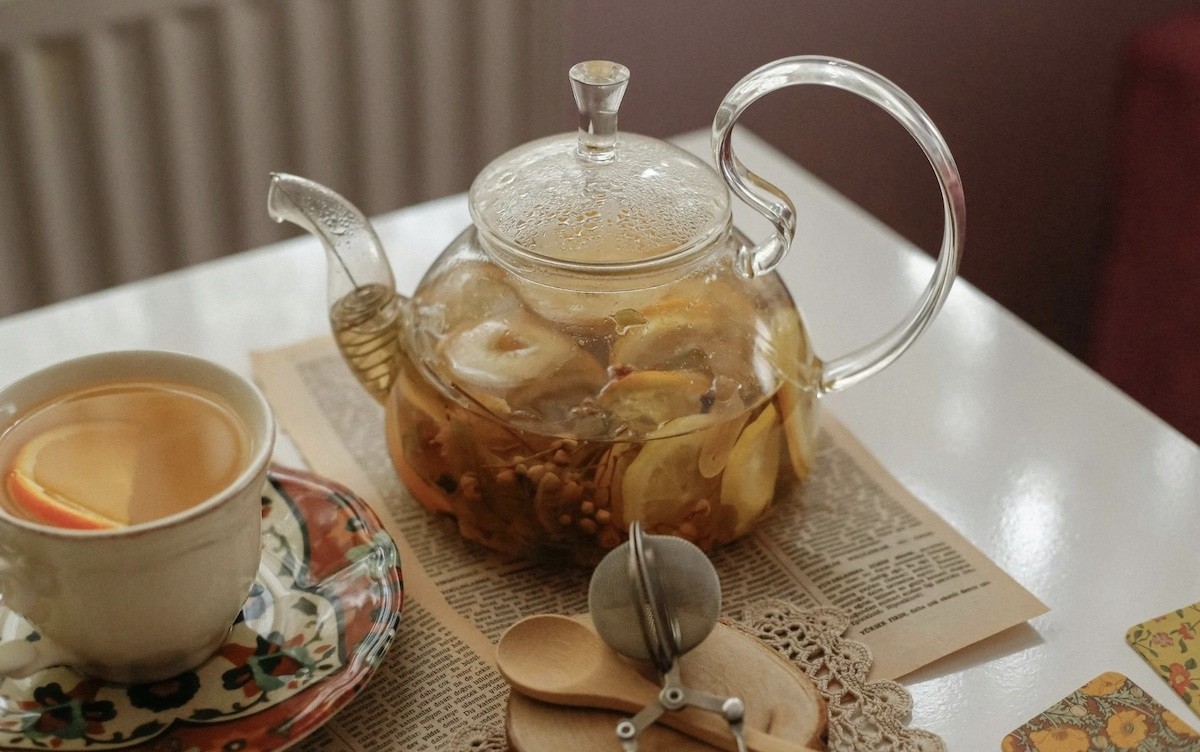
When it comes to health, rituals can influence beliefs, attitudes, and behaviors for example in the Mizo ethnic community of Mizoram, India, traditional herbal medicine plays a significant role in maintaining health and treating illness. Mizo healers, known as "Zaithiam," possess deep knowledge of local plants and their medicinal properties, passed down through generations. Rituals surrounding the preparation and administration of herbal remedies often involve prayers, chants, and ceremonial offerings to invoke the healing spirits.
Tradition
Tradition encompasses a broad spectrum of customs, practices, beliefs, stories, and values that are passed down through generations within a cultural or social group. Many traditional practices have spiritual or emotional dimensions that contribute to overall well-being. Rituals, prayers, and ceremonies often provide opportunities for reflection, connection with the divine or spiritual realms, and emotional healing.
For example, in Hinduism, the ancient system of Ayurveda is considered a sacred tradition that encompasses holistic principles of health and wellness. Traditional Ayurvedic rituals, such as Panchakarma (a detoxification and rejuvenation therapy) and Abhyanga (oil massage), are believed to cleanse the body of toxins, restore balance, and promote overall health.
Beliefs
Beliefs are fundamental to how individuals perceive and interact with the world around them. They encompass a wide range of convictions, values, attitudes, and assumptions that shape behavior, decision-making, and worldviews.
In the context of health and well-being, beliefs play a crucial role in influencing attitudes toward illness, healing, medical treatment, and preventive care. For example in Christianity, beliefs about health and healing are often intertwined with spiritual teachings and scripture. Many Christians believe in the power of prayer for physical, emotional, and spiritual healing.
These three factors are influencing our dietary habits, remedies, and even mental health, here's how:
Dietary Habits
Beliefs, traditions, and rituals exert a significant influence on dietary habits, shaping what, when, and how people eat. These cultural factors often dictate food choices, meal preparation methods, and eating behaviors within communities.
For example, traditional Chinese cuisine is characterized by a balance of flavors, textures, and colors, reflecting the principles of Yin and Yang. Meals typically include a variety of dishes, often featuring rice or noodles, vegetables, and small portions of meat or fish. Food holds deep cultural significance in Chinese tradition, with certain dishes associated with festivals, celebrations, and family gatherings. For example, dumplings are commonly eaten during the Chinese New Year as a symbol of wealth and prosperity.
Traditional Remedies
Beliefs, traditions, and rituals profoundly influence the development, use, and efficacy of traditional remedies, shaping how they are perceived, practiced, and passed down through generations, like Native American healing traditions are rooted in a spiritual worldview that emphasizes the interconnectedness of all living beings. Herbal remedies are believed to work holistically, addressing not only physical symptoms but also spiritual and emotional imbalances.
Traditional knowledge of medicinal plants and healing practices is passed down through oral traditions, ceremonies, and apprenticeships within Native American communities. Healing ceremonies among Native American tribes often involve rituals such as smudging with sacred herbs, drumming, and chanting to invoke the healing powers of nature and ancestors.
Mental Health
Beliefs, traditions, and rituals play significant roles in shaping mental health by influencing how individuals perceive, understand, and cope with psychological well-being and illness. These cultural factors provide frameworks for interpreting experiences, constructing identities, and accessing resources for mental health support.
For instance, the Japanese tea ceremony, known as "chanoyu" or "sado," is rooted in Zen Buddhism and Shinto beliefs, emphasizing principles of harmony, respect, purity, and tranquility. Practitioners believe that participating in the tea ceremony can cultivate mindfulness, promote inner peace, and reduce stress. Engaging in the tea ceremony provides participants with a structured ritualized practice for connecting with themselves, others, and the natural world. The ceremony offers opportunities for reflection, relaxation, and appreciation of beauty, promoting mental well-being and emotional balance.
TL;DR:
Culture shapes our health practices through learned ideas and values, not inherited ones. Different cultures have unique ways of approaching health, with rituals, traditions, and beliefs playing significant roles.
Rituals are deeply ingrained practices with symbolic meaning, like traditional herbal medicine rituals in the Mizo community of India.
Tradition encompasses customs passed down through generations, such as Ayurveda in Hinduism, which promotes holistic health practices.
Beliefs influence attitudes toward health and healing, such as the Christian belief in the power of prayer for healing.
Regarding dietary habits, cultural beliefs dictate what, when, and how people eat, affecting physical health and social interactions.
Traditional remedies are intertwined with cultural beliefs, passed down through generations, and valued for their cultural significance and perceived effectiveness.
Cultural influences inform approaches to mental health, with beliefs about the mind-body connection and spirituality shaping practices such as meditation, prayer, and communal gatherings.
More posts from this Author
Ray Hau

Meet Ray Hau - Your AteMate Coach
Ray helps entrepreneurs find sustainable health approaches beyond expensive treatments and rigid diet rules. His framework offers lasting results.
Mar 26, 2024
3
minute read
Ray Hau

Embracing Emotional Vulnerability: It's Okay to Express Your Real Feelings
Expressing your real feelings with context helps build deeper connections with those who truly care. This approach transforms vulnerability from weakness into a bridge to authenticity.
Feb 13, 2024
4
minute read
Ray Hau

Unlocking Success: How Setting Goals Can Transform Your Life
Lasting motivation comes from understanding why you truly want something, not just willpower. Small wins along the way matter more than perfect progress.
Jan 2, 2024
4
minute read
Similar Posts from our Blog

Dr. Erin Nitschke
Meet Dr. Erin Nitschke - Your AteMate Coach
A holistic approach to wellness focuses on finding balance across all dimensions, not just physical stamina or appearance. This feels more sustainable than chasing perfection.
Mar 12, 2024
3
minute read

Richa Mittal, MD
Understanding the Consequences of Uncontrolled Blood Sugar and How to Maintain Long-Term Health
Understanding insulin resistance helps you recognize early warning signs before they become bigger health concerns. Knowledge empowers gentler choices.
Nov 30, 2023
4
minute read
Dr. Erin Nitschke

Using Health Wearables: Finding Balance Between Data and Dependency
Health wearables offer valuable insights, but knowing when tracking becomes overwhelming is key. You can stay informed without losing touch with your body's natural wisdom.
Oct 24, 2023
3
minute read